Build-to-Rent Homes: What You Need to Know
Key Takeaways
- Build-to-rent (BTR) is a type of housing generally built in large-scale communities that resemble for-sale neighborhoods.
- BTR homes offer some of the benefits of homeownership without the maintenance—but there are drawbacks.
- Single-family rentals have grown in popularity recently for their space, relative affordability, and flexibility.
- Build-to-rent homes have faced criticism for their role in the housing supply crisis.
Build-to-rent (BTR) homes have exploded in popularity since the pandemic, with consumers eager for single-family homes without the high costs or hassle associated with ownership. Today’s slow and expensive housing market has been a major catalyst.
These homes are typically built in professionally managed communities and offer many of the perks of a traditional house—more space, privacy, and a yard—without requiring a mortgage or down payment. For developers and investors, they offer another way to capitalize on strong demand for single-family rentals.
So, whether you’re looking for a home to rent or considering BTR as an investment, there’s plenty to weigh. Read on to learn more about whether BTR properties are right for you, why they’re in the news today, and what you should consider before renting or investing
What is build-to-rent?
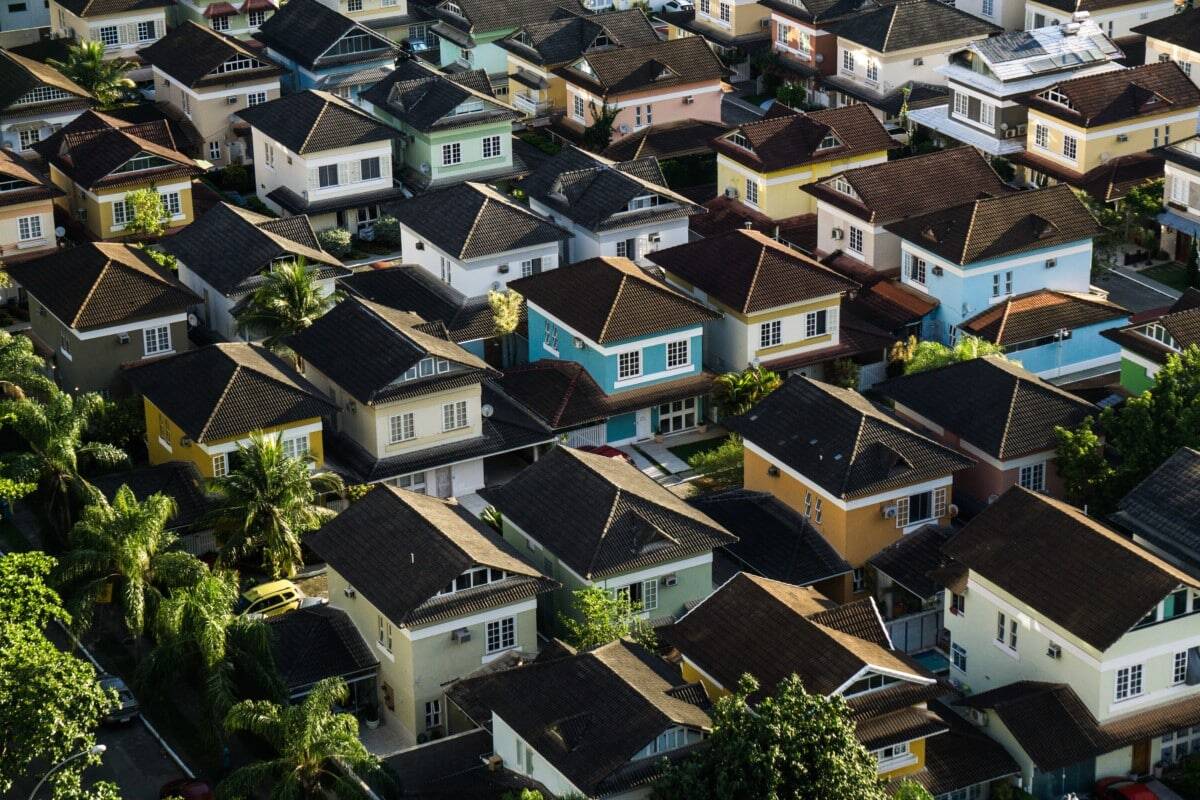
Build-to-rent (BTR) is a type of housing development made up of single family homes built for long-term rental. The communities often operate similarly to an apartment building, where a professional management or investment company owns the properties and handles things like maintenance and upkeep.
The most common type of build-to-rent community is one where an investor or developer bought the land and built standalone single-family houses for rent. But the definition is technically flexible and can include any single-family property built or renovated for the purpose of renting—including turning your own home into a rental. BTR is sometimes called “B2R” or “BFR (build-for-rent)” but they all mean the same thing.
Some examples of popular build-to-rent housing types include:
- Detached single-family homes: Standalone homes built within a professionally managed community.
- Horizontal apartments: A type of detached or semi-detached single-family home built on small lots in a housing community.
- Duplexes: Homes with two units side-by-side or on top of one another.
- Row homes: Homes built side-by-side with adjoining walls.
- Small-lot homes: Homes built on lots smaller than the average lot size.
Why are build-to-rent homes so popular?
Build-to-rent homes have become increasingly popular—and sometimes controversial—as they offer an alternative to buying a single-family home. Over the last three years, the sector has grown rapidly as developers and investors look to attract would-be homeowners who are priced out of the for-sale market. That demand is especially strong today, when buying a home is more expensive than renting in most of the U.S.
In 2025, about 7% of new single-family housing completions were BTR properties, which was up from 5% just three years prior. Historically, that number has hovered around 2.7%. Sun Belt cities in particular have seen a surge of BTR construction due to rapid population growth, abundant land, and soaring home prices—though many of those housing markets are now coming back to earth (see: Austin, TX)
Today, inflation and policy changes have slowed construction, while BTR’s rapid growth has raised questions about whether land and resources going toward rentals could instead help ease the acute shortage of homes for sale. At the same time, though, demand for rentals is strong. Even as for-sale affordability has started to slowly improve, younger generations have seemed less attached to homeownership, with more instead choosing to rent long term.
Who owns and manages build-to-rent homes?
Build-to-rent communities are typically developed, owned, and managed by professional real estate companies, with different companies sometimes handling financing, construction, ownership, and day-to-day management.
Investors and developers
Large BTR communities require significant upfront investment. Investors may provide funding, while developers purchase land, plan the community, and oversee construction. Sometimes one company fills both roles. A typical 200-home development costs around $60 million from start to finish.
Property managers
Once built, BTR communities are typically managed much like apartment complexes. Property managers handle leasing, rent collection, maintenance, repairs, and shared amenities. The owner or developer may also manage the community.
Individual investors can also get exposure to the BTR market through real estate companies or REITs (real estate investment trusts) that own rental properties, without directly building or managing a BTR community.
History of build-to-rent homes
The idea of building a single-family home for the purpose of renting has existed for decades in the U.S. However, the modern single-family rental industry took off in the aftermath of the 2008 financial crisis, eventually giving rise to today’s build-to-rent model. Tighter lending standards and financial hardship pushed more households toward renting, while a surplus of inexpensive, foreclosed homes gave investors an opportunity to buy properties in bulk and turn them into rentals.
Today, many of the same affordability pressures are fueling renewed demand for BTR homes. With homeownership prohibitively expensive for many Americans and younger generations increasingly questioning whether owning a home is essential, long-term renting has become an attractive option.
Build-to-rent controversy
Build-to-rent has been in the spotlight recently as the housing supply shortage continues to fuel an affordability crisis. Critics, including the Trump Administration, have argued that large investors should not compete with individuals for homes and land that could otherwise support homeownership. Those concerns have helped push Congress to pass the ROAD to Housing Act, which included new restrictions on institutional investors (though without a requirement to sell off build-to-rent properties).
However, institutional investors make up a much smaller portion of the market than headlines may suggest. Investors of all sizes purchased 19% of homes sold in the first quarter of 2026, but most are small, mom-and-pop investors. Firms that have purchased more than 350 single-family homes since 2015 account for around 1-3% of single-family purchases nationwide. And unlike investors that buy existing homes, BTR developers add new homes to the housing supply—between 70,000 and 130,000 annually, by one estimate.
Economists generally caution that restricting new construction could ultimately hurt both buyers and renters. “It’s understandable that people are frustrated when they see large investors owning homes while so many families can’t afford to buy one,” said Daryl Fairweather, Redfin Chief Economist. “But the fundamental problem is that America doesn’t have enough homes. Build-to-rent adds housing supply and gives families another option, particularly when homeownership is out of reach. Policies that discourage construction risk making housing more expensive for everyone. The best way to improve affordability is to simply build more homes.”
Build-to-rent vs rent-to-own
Build-to-rent homes are designed to remain rentals, typically with no expectation that the renter will eventually own the property. With a rent-to-own home, on the other hand, the renter has the option or even the obligation to purchase the home after a set period. Part of the agreement may include an upfront option fee or additional payments that can be applied toward the eventual purchase.
Both options can be more expensive than buying a home or renting a more modest place, but they do allow for more flexibility for those looking for long-term renting or ownership. Do your research and talk with a local real estate agent before deciding what’s best for you.
Should you rent a build-to-rent home?
Buying a home means taking on the responsibilities and risks of homeownership, which can be a daunting task. Choosing a build-to-rent community can provide the comforts of homeownership without a few of the downsides. There are some drawbacks, though, such as not building equity.
Ultimately, whether a BTR home is right for you depends on your needs and how long you plan to live in the area. Let’s dig into some of these pros and cons further.
Pros of living in a build-to-rent property
- More space than a typical rental: Many renters choose BTRs instead of apartments for their larger footprints.
- Communal living areas: BTR homes typically include access to amenities like pools, gyms, dog parks, and playgrounds.
- Maintenance: Renters can enjoy their homes without worrying about pest control and replacement requests; landlords and property owners typically handle these responsibilities.
- Repairs: Because you don’t own the property, you don’t have to pay for repairs, like replacing a roof or installing a new dryer.
- Cheaper insurance: Renters insurance is usually cheaper than homeowners insurance, which means more savings.
- Social opportunities: Many communities are designed to foster connection and often provide space to help you meet similar people.
- Renters can try before they buy: Before committing to homeownership, renters can experience living in a house. A build-to-rent home also allows residents to experience a particular neighborhood before making a long-term commitment to a location.
Cons of living in a build-to-rent property
- No equity: Your monthly rent payments don’t build ownership in the property, so you won’t accumulate home equity as you would by paying down a mortgage.
- Rents can fluctuate: You won’t benefit from locking in your mortgage rate. Rents usually rise more quickly than the variable costs of homeownership (taxes, insurance, maintenance).
- Character: Though luxury amenities may be available, you often won’t find unique qualities in your home. Instead, they’re usually more of a blank canvas.
- Remodeling: Because you don’t own the home, you have limited options for remodeling, including painting. If you want to customize your home, the key is to keep updates affordable and customizable. For example, try adding peel and stick wallpaper or a fresh coat of paint to key spaces to revitalize a dull room with bright colors.
- Corporate managers: Working with corporate property managers means you may have less room for negotiating things like rent. Building a relationship with BTR property managers can be challenging unless you’re renting from an individual.

Is build-to-rent more affordable than buying a home?
In today’s market, renting a single-family house will likely cost less than buying that same house with a 20% down payment and 30-year mortgage, unless rent costs skyrocket down the road. House prices are at record highs, and mortgage rates are elevated and volatile, pushing the typical monthly payment for homebuyers to $2,600 as of August 2026. The median rent price is $2,000.
In the long term, though, economists often still recommend buying a home because of the equity options it unlocks and the stable monthly payments. Buying a home outright (all-cash) is the most cost-effective option.
Should you invest in build-to-rent homes?
BTR homes can be a good way to start investing in real estate, particularly in competitive markets with limited supply. However, they have a high barrier to entry because building a new rental requires significant capital, financing, and development expertise. If you’re a more cautious investor, there are other ways to capitalize on BTR growth, including REITs that hold rental homes in their portfolios.
Owning a BTR property can offer benefits like higher monthly rent, less tenant turnover, potential tax incentives, and the opportunity to build equity. However, returns aren’t guaranteed. Smaller investors may struggle to compete with institutional developers or generate enough rental income to justify construction costs. Building an ADU or renting out a second home can be more accessible alternatives, although they wouldn’t be considered build-to-rent.
You can also invest in existing properties rather than building from scratch. One option is the BRRRR method—buy, rehab, rent, refinance, repeat—which involves renovating distressed homes and renting them out. Alternatively, REITs provide exposure to rental real estate without the cost and responsibility of owning and managing a property directly.
Final thoughts: Is build-to-rent right for you?
Build-to-rent housing offers the convenience and amenities of single-family living, without the hassle of maintenance, taxes, and permanence of ownership. However, there are important downsides, including variable rent costs and no equity gain. As such, it’s important to crunch the numbers before making a decision.
If a BTR home would replace your long-term goal of homeownership, you may be better off choosing a less expensive rental and saving for a future down payment. But if you want the space and privacy of a single-family home without the commitment of buying, BTR can offer an appealing middle ground.
No matter what you choose, before signing a lease, use Redfin’s rental affordability calculator to see how much rent comfortably fits your budget. Or, if you’re curious about ownership, check out homes for sale near you and discover how much home you can afford.